News — Catholic Messenger February 1993

News from 1993-02-01

Ecumenism in Europe

Ecumenism in Europe

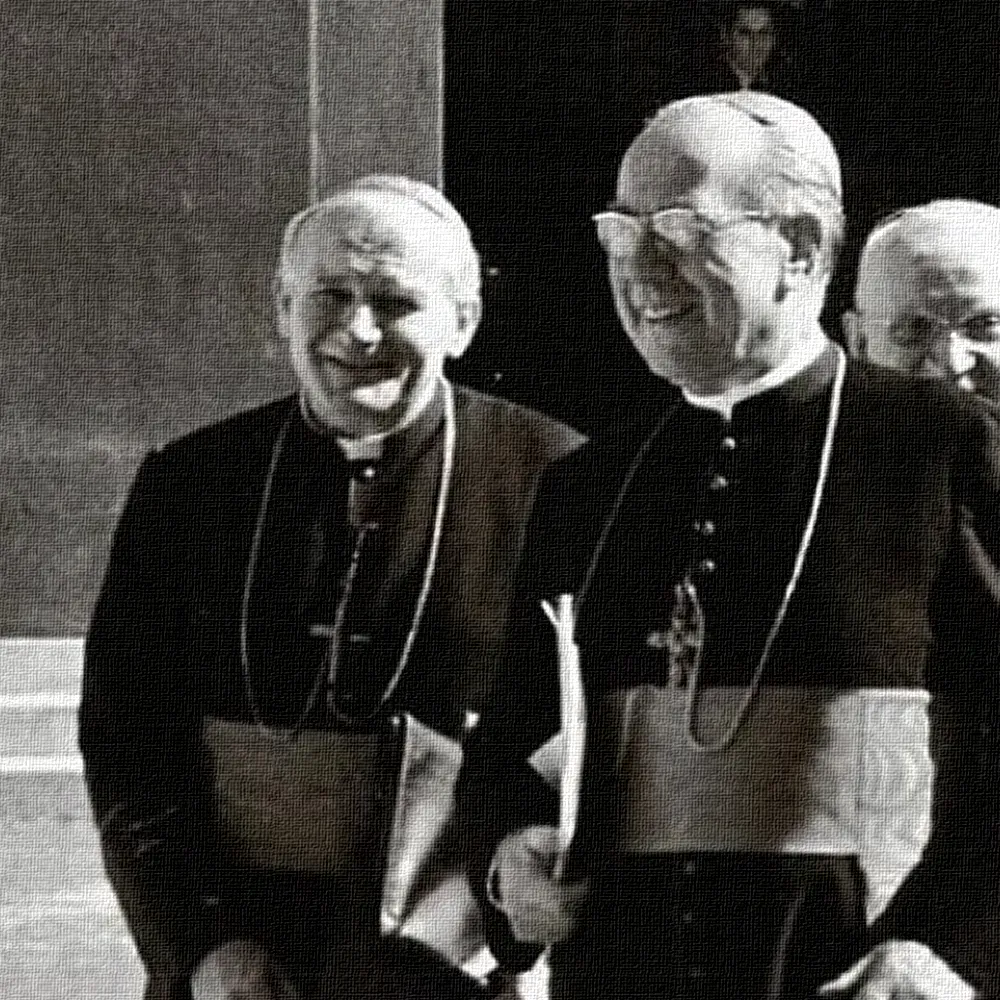
To discuss the results of the European Synod (autumn 1991), representatives of the European Bishops' Conference met with Pope John Paul II at the Vatican. Cooperation among all Christians for the transformation of Europe is more necessary today than ever before; therefore, despite inevitable difficulties, the ecumenical movement must continue to develop.

In his address, the Pope emphasized the importance of the Church's social teaching and reaffirmed the Roman Church's decision not to abolish priestly celibacy.

In conclusion, a call was made for ecumenical prayer for peace. On January 9 and 10, a joint service was held in Assisi, Italy.

* Ecumenism (from Greek οἰκουμένη — inhabited world, universe) is the movement for rapprochement and cooperation among different Christian denominations.
Dominican Activity in Latin America

Dominican Activity in Latin America

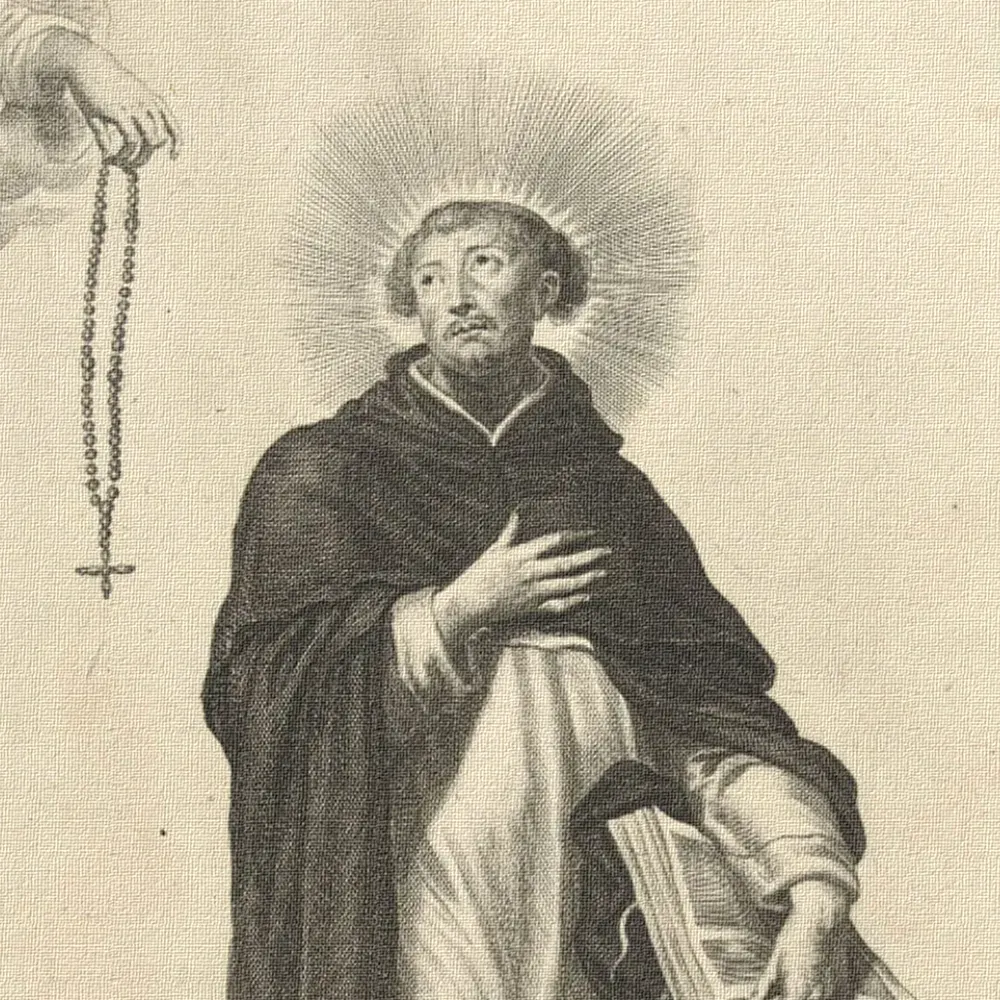
The Dominicans were the first Order to participate in the evangelization of Latin America. In response to the accusation of "inquisitorial cruelty," the General Chapter (Mexico City) declared:

"We are rightfully proud of our brothers Pedro de Córdoba, Antonio de Montesinos, Bartolomé de las Casas, and all their companions and disciples, of their human and Christian qualities.

At the same time, we do not forget that other brothers became accomplices of the colonizers. We acknowledge that colonization brought with it cultural violence.

But was it not de Montesinos who, on behalf of the Indians of Santo Domingo, posed a question in the spirit of the Gospel: 'Stop, are they not human beings?'

He was the first among missionaries to do so. He was able to do this because the Dominican brothers always listened to the voice of the oppressed."

Can Christianity Unite Europe?

Theologian and historian Friedrich Graf from Augsburg is skeptical.

"Christianity is not the only cultural principle that can be strengthened through the integration of Europe.

Ethnic conflicts in Yugoslavia and in some CIS states are caused not only by socio-political but also by religious contradictions.

To overcome the current situation, the religious ethics developed by the agrarian society of the state two thousand years ago are insufficient."

California's "No" to Euthanasia

Residents of the American state of California participated in a referendum shortly before the presidential election, in which the issue of applying euthanasia within the state was raised.

54% of Californians who took part in the referendum voted against the proposed statute, which would have allowed doctors to help terminally ill patients voluntarily end their lives.

Liberalism and Catholicism in Poland

Debates on this matter were held in Lublin.

A representative of the Liberal Democratic Congress in the Sejm was reproached for his party, by building a "neutral state," driving God out of public life.

However, he stated that he views the Church as a partner for all those interested in the moral and psychological aspects of reforms in Poland.

Lublin sociologist Władysław Piwowarski demanded that tolerance be established, alongside freedom, as one of the foundations of Polish society.

Piwowarski reproached liberalism for promoting the freedom of the individual only for the wealthy.

Catholicism, on the contrary, advocates for freedom for all.

Swiss Robert Nef, director of the liberal institute in Zurich, commented on this statement as follows: "The poor fare better where the rich are allowed to exist."

So what does the Pope know?

Although the Turk Ali Ağca, who attempted to assassinate Pope John Paul II on May 13, 1981, still raises numerous questions, some circumstances of this case remain a subject of debate.

The Apostolic Nuncio to Bulgaria, Mario Rignoni, recently stated that the Bulgarian security service (and the Soviet KGB) "have nothing to do with this case." And further:

"The Pope knows 'absolutely precisely' the true reasons for the assassination attempt, but is not interested in making them public."

It is inconceivable that the Apostolic Nuncio would make such statements without the approval of the Vatican and the Pope.

Petar Mladenov, the Bulgarian president, fed journalists a new sensation: the CIA wanted to "eliminate" the Pope! The "Bulgarian version" was also concocted by the CIA to discredit Soviet reformist politicians. The Italian security service supports this "disinformation campaign."

It is strange that the Pope himself remains silent to this day.

To the cathedral with a floppy disk

For organ concerts in Notre-Dame Cathedral (Paris), an organist will no longer be needed in the future.

After renovation and modernization (11 million francs and nearly 30 months of work), the largest organ in France has been transformed into a marvel of technology.

It is literally packed with electronics. A single floppy disk is enough to reproduce the playing of three organists.

The Gothic cathedral of Notre-Dame belongs to the state, not to the Church, which protested against the renovation of the organ.

Conference on the Natural Regulation of Family Births

An international conference on this topic was held in Rome.

Specialists from all over the world shared their observations, which they are conducting on behalf of the "Council for the Family," established by the Pope.

Dr. Romano Uggello from Birmingham believes that the reliability of the natural method can be compared to the reliability of contraceptive methods using pills.

The problem is that a married couple, who for religious or personal reasons do not wish to use chemical or mechanical means, must change their sexual behavior.

Many spouses, especially young ones, find this difficult to accept.

The conference in Rome and the establishment of the "Council for the Family" are seen by many journalists as the Pope's response to accusations that arose after his visit to Africa.

One article noted that the Pope's call to "be fruitful and multiply" was, in light of the adverse consequences of overpopulation, at least controversial.